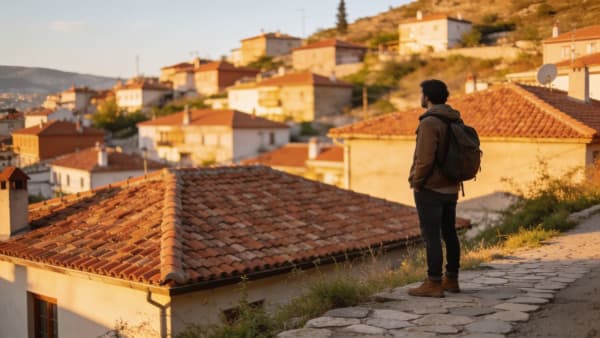
Istanbul for Living: Best Districts and Transportation for Expats
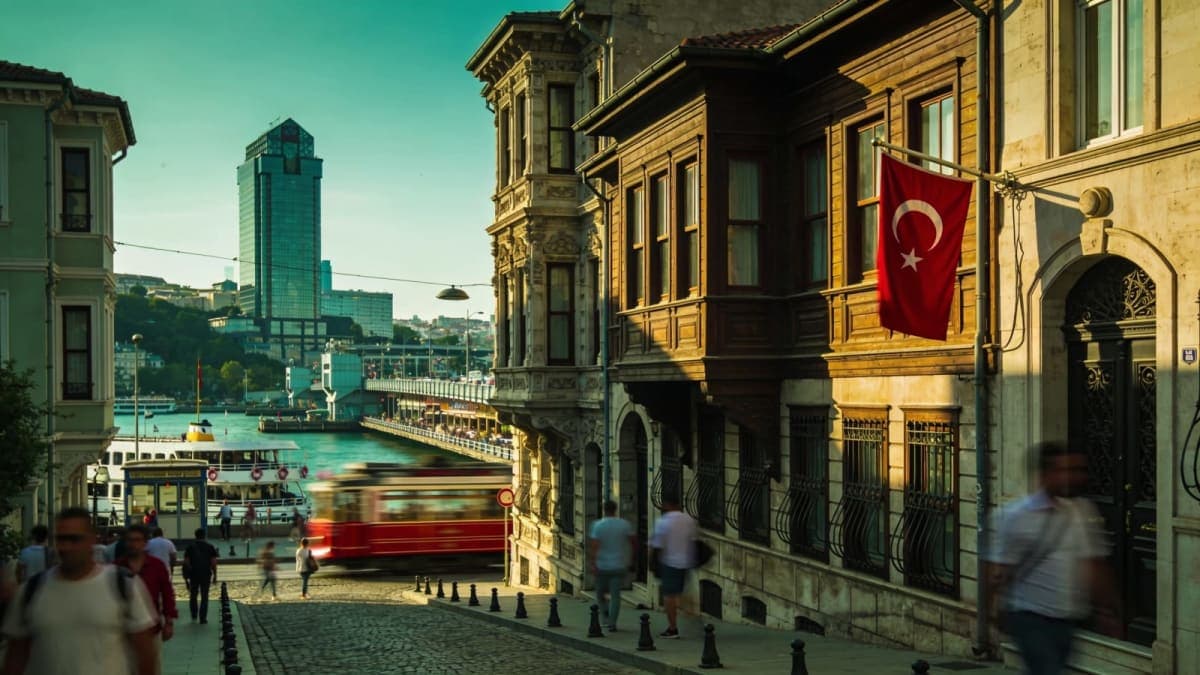
Introduction
Istanbul for an expat is a city with very diverse districts, well-developed public transport, and a wide choice of housing, but comfort here directly depends on the right location. Before moving, it's important to evaluate not only the rental price but also access to the metro, ferries, schools, hospitals, work, and immigration services.
Istanbul is Turkey's largest city, located simultaneously in Europe and Asia, so daily logistics play a key role here. The same budget can provide a completely different level of comfort in Kadıköy, Beşiktaş, Şişli, Beylikdüzü, or Üsküdar. For expats, districts with clear infrastructure, good transport, and a stable rental market are especially important. This guide will help you navigate before your first long-term stay in the city.
Which Istanbul Districts Are Best Suited for Expats?
For expats, districts that combine transport, safety, an international environment, and access to services are often convenient. On the European side, Şişli, Beşiktaş, Sarıyer, Bakırköy, and Beylikdüzü are popular, while on the Asian side, Kadıköy, Üsküdar, Ataşehir, and Maltepe are favored. The choice depends on lifestyle: a student needs proximity to the university, a family needs schools and parks, and a remote worker needs a quiet apartment and fast internet.
Kadıköy is often chosen for its vibrant urban atmosphere, promenade, cafes, ferries, and convenient connection to the European side. Beşiktaş and Şişli are suitable for those who want to be closer to the business and cultural part of the city, but density is higher here, and rent is usually more expensive. Üsküdar is calmer and more traditional, yet well-connected to the center via Marmaray and ferries. Beylikdüzü and Başakşehir might be interesting for families due to new residential complexes, but trips to central districts take more time.
When choosing a district, it's worth looking not only at the map but also at the actual route during peak hours. In Istanbul, a distance of 10 kilometers can mean 20 minutes by metro or more than an hour by bus. If work, school, or university is on the other side of the Bosphorus, check alternatives in advance: metro, Marmaray, metrobus, and ferries. A good district for living is not necessarily the most famous one, but one where your daily logistics are predictable.
What Places and Infrastructure Are Important Near Home?
The main “attractions” for living in Istanbul are not just palaces, mosques, and promenades, but everyday infrastructure within walking distance. It's convenient for an expat to have a supermarket, pharmacy, family clinic or private clinic, transport stop, bank, PTT office, and places for walks nearby. For families with children, schools, kindergartens, playgrounds, and quiet streets are also important.
If you want to combine living and exploring the city, pay attention to districts near the Bosphorus, parks, and cultural centers. In Kadıköy, these are Moda, the promenade, and the Bahariye district; in Beşiktaş – the promenade, Yıldız Parkı, and proximity to Nişantaşı; in Üsküdar – Salacak, Kuzguncuk, and views of the Maiden's Tower. Sarıyer is attractive for its green areas and the northern Bosphorus, but without a car or a convenient metro line, logistics can be more challenging.
When renting housing, it's important to check not only the apartment but also the building: the age of the house, elevator availability, heating condition, sound insulation, aidat expenses, and mobile signal stability. New complexes often have security, parking, and social areas, but the monthly aidat can be a significant expense. In older buildings closer to the center, the location might be excellent, but problems with humidity, heating, and repairs can occur. Before signing a contract, it's useful to read our material on utilities in Turkey after renting.
How Does Transportation Work in Istanbul and How to Get Around?
Istanbul's public transport includes metro, trams, metrobus, Marmaray, buses, funiculars, cable cars, and city ferries. Istanbulkart is usually used for payment – a transport card valid for most types of urban transport. The most valuable lines for daily life are the metro, Marmaray, and metrobus, because they are less affected by traffic jams.
Marmaray connects the European and Asian sides through a tunnel under the Bosphorus and is convenient for routes between Halkalı, Yenikapı, Üsküdar, Söğütlüçeşme, and Gebze districts. The Metrobus runs on a dedicated lane and often helps to move faster along the Beylikdüzü – Zincirlikuyu – Söğütlüçeşme axis. Ferries are not always the fastest option, but they are comfortable, especially between Kadıköy, Üsküdar, Beşiktaş, Karaköy, and Eminönü. For living near the water, a ferry can become part of a daily commute, not just a tourist attraction.
Before renting an apartment, check the route to key points on Google Maps, Moovit, or official city transport apps, but do so during morning and evening peak hours. If you plan to live on the outskirts for a more spacious apartment, calculate the weekly time loss on commuting. For remote work, this might be a reasonable compromise, but for an office schedule, it can be a serious burden. Those who work online should also explore the specifics of digital nomad life in Turkey.
Where to Eat and What to Try in Different Istanbul Districts?
Istanbul is convenient for expats because food is available in almost every district and for every budget. In central districts, it's easy to find Turkish lokantas, breakfast cafes, fish restaurants, coffee shops, international cuisine, and delivery services. For daily life, not only trendy establishments are important, but also simple places near home: a bakery, a greengrocer, a butcher, and an inexpensive canteen.
Kadıköy and Moda have many cafes, bars, dessert shops, and modern Turkish cuisine, which is why the district appeals to young professionals and students. In Beşiktaş, breakfasts, street food, and fish places near the promenade are popular. In Fatih and Eminönü, you should try classic dishes, köfte, pide, kebabs, and sweets, but living there might not always be comfortable for an expat due to density and tourist traffic. Residential areas like Ataşehir, Maltepe, or Beylikdüzü have more family cafes and chain restaurants.
Among basic dishes, you should try Turkish breakfast, menemen, lentil soup, köfte, lahmacun, pide, balık ekmek, simit, baklava, and sütlaç. If you have dietary restrictions, it's easier to find vegetarian, gluten-free, or international options in larger districts. Prices vary greatly depending on the district and establishment format, so it's best to estimate your budget based on your eating habits. For long-term stays, shopping at markets and chain supermarkets is usually more cost-effective than daily restaurants.
What Practical Tips Will Help an Expat Before Moving?
The main advice is not to sign a long-term rental agreement before personally inspecting the apartment and district, if possible. Photos often don't show noise, the condition of the entrance, street slope, humidity, smells, and actual transport accessibility. It's better to come for a few days, live in the chosen part of the city, and walk the routes to the metro, shop, and stops. If you are moving with family, check schools and medical facilities before choosing an apartment, not after.
Before renting, clarify the deposit amount, aidat, included expenses, contract term, termination conditions, and the procedure for connecting utilities. It's also important for expats that the address is suitable for residence registration and immigration procedures, as rules and practices can differ by district and situation. If you plan to apply for or extend a residence permit, study the document requirements and address registration in advance. More details on applying can be found in the material about residence permit in Turkey via e-İkamet.
Create a personal checklist for the district before making a final decision. It should include: time to work or study, direct transport, house quality, rental cost and aidat, access to medical care, schools, shops, noise level, and feeling of safety in the evening. For the first year in Istanbul, it's sometimes wiser to choose a more convenient and understandable district, even if the apartment is smaller. After adapting, you will be able to understand more precisely which part of the city truly suits your lifestyle.
ESG Consulting Commentary
Based on ESG Consulting's experience, the main mistake expats make when moving to Istanbul is choosing housing based solely on price or beautiful photos. In immigration and everyday matters, the address has practical significance: utility connections, daily logistics, access to public services, and ease of communication with the landlord depend on it. Therefore, the district should be considered as part of an overall relocation strategy, not as a separate household choice.
We recommend coordinating three blocks in advance: legal basis for stay, housing, and financial and household infrastructure. If a person first rents an unsuitable apartment and then starts dealing with documents, it can lead to unnecessary expenses and delays. ESG Consulting supports expats on issues of residence permits, work, business, real estate, and adaptation in Turkey in Russian, Turkish, and English. Our task is to help clients make decisions based on verifiable requirements and real practice, not random advice from chats.
Frequently Asked Questions
Which Istanbul district is best for an expat's first year of living?
For the first year, Kadıköy, Şişli, Üsküdar, Beşiktaş, Ataşehir, or Maltepe are often suitable for expats, if budget and route allow. These districts provide clear infrastructure, transport, and access to services. The final choice depends on work, study, family composition, and rental budget.
Where is it cheaper to rent housing in Istanbul?
More affordable options are often found further from the historical and business center, for example, in Beylikdüzü, Esenyurt, some parts of Maltepe, or Pendik. However, low rent can be offset by long commutes and transportation costs. Before choosing, it's important to calculate not only the apartment price but also the time spent on daily trips.
Do you need a car to live in Istanbul?
A car is not essential in Istanbul if you live near the metro, Marmaray, metrobus, or ferry. In central districts, a car often creates additional difficulties due to traffic and parking. For families with children or residents of remote areas, a car can be useful, but it doesn't always save time.
What is the most convenient transport for an expat in Istanbul?
The most convenient modes of transport are usually the metro, Marmaray, metrobus, and ferries on key routes. They are more predictable than buses because they are less affected by traffic jams. For regular commutes, it's better to choose housing within walking distance of one of these lines.
Can you choose an Istanbul district based solely on online reviews?
It's not advisable to choose a district based solely on online reviews, as the experience heavily depends on the specific street, building, and individual's routes. The same district can be comfortable for a remote worker and inconvenient for a family with a school on the other side of the city. It's best to combine reviews, maps, personal inspection, and rental document verification.
What should you check in an apartment before signing a rental agreement?
Before signing an agreement, you should check the apartment's condition, deposit amount, aidat, heating, humidity, internet, owner's documents, and termination conditions. It's also important to understand if the address can be used for official procedures. After renting, clarify the procedure for connecting electricity, water, gas, and internet in advance.
Official Sources
Guide steps on this topic
Turkey Guide Guides
View all- First 30 Days
- Phone and Internet
- Transport
- Schools and Kids
- Cost of Living
- City GuidesThis article
- Leaving Turkey