Utilities in Turkey: abonelik for foreigners after renting
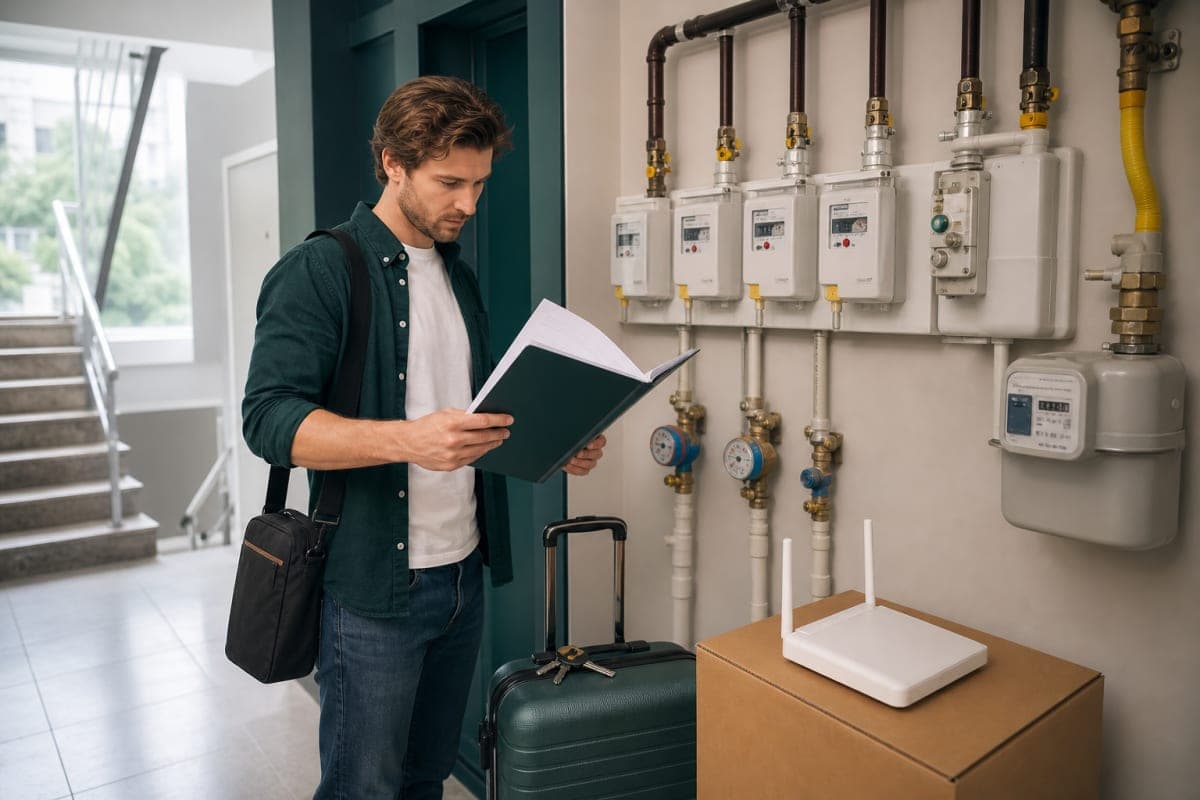
To connect utilities in Turkey after renting a property, a foreigner needs to arrange abonelik — a subscription service contract — separately for electricity, water, gas and internet. Usually, you will need a rental agreement, passport, tax number or ikamet, the property address and, in some cases, the DASK number or details of the previous subscriber. Deposits and tariffs depend on the provider, region and the specific connection procedure.
The general logic is simple: first check that the address is stated correctly in the rental agreement, then prepare the documents, and only after that contact the providers or submit applications online. If the utilities remain registered in the name of the owner or the previous tenant, this creates a risk of debts, disputes when moving out and problems with confirming your address for a residence permit.
Step 1: check the rental agreement and the exact address of the property
Before connecting utilities, make sure the rental agreement matches the actual address of the apartment: district, mahalle, street, building number, apartment number and block, if applicable. In Turkey, providers often rely not only on the written address but also on internal property numbers, previous subscriber details or an address code. If there is an error in the apartment number in the agreement, the connection may be delayed or the application may be assigned to a different property.
Separately, check who is responsible under the agreement for paying utilities, the residential complex aidat and any possible debts before the move-in date. A good practice is to record the meter readings on the day the keys are handed over and photograph them. Before signing, it is useful to compare the terms with our article on the rental agreement in Turkey before connecting utilities, especially if you are renting a home for the first time.
Step 2: prepare the basic details for abonelik
Abonelik is a personal contract with the service provider. For a foreigner, this is important: the bill will be issued in your name, and when you move out you will be able to officially close the contract and recover the deposit, if this is provided for by the provider’s rules. Having a utility contract also helps confirm actual residence at the address, but it does not replace official address registration with the migration system authorities.
In practice, providers may request a passport, tax number, ikamet number if available, a Turkish mobile number, the rental agreement and property details. Some operations are available through e-Devlet or providers’ websites, but for foreigners, access depends on having an active ikamet, a verified phone number and the rules of the specific company. If you have not yet set up access, read about how foreigners can use e-Devlet in Turkey.
Step 3: register electricity in your name
Electricity in Turkey is connected through the regional provider or retail electricity company that serves your address. If the apartment already has a meter and the service was previously active, this usually means transferring the abonelik to the new tenant. If the electricity is disconnected, after the contract is signed the provider activates it according to its own procedure.
Before visiting the office or submitting an online application, ask the owner for the meter number, the previous subscriber number and whether there is DASK — mandatory earthquake insurance for the property. The deposit, tariff group and service fees are not universal across Turkey: they are calculated according to the provider’s rules and shown in the application, receipt or contract. Do not pay old debts of the previous resident without a written understanding of the period for which they arose.
Step 4: connect water and gas through local providers
Water is arranged through the municipal water supply organization. These institutions differ from city to city, so the procedure and application channels also vary. In major cities, some steps may be available online, but a foreigner should still have original documents and copies with them. If the water is already connected, the task usually consists of transferring the contract into your name and paying a deposit, if required.
Gas requires particular attention to safety. If the apartment has natural gas, check whether the meter is active, whether there is a valid project and whether there have been any unauthorized changes to the water heater, boiler or ventilation. The gas company may require an inspection of the installation before use begins, and the deposit and connection terms depend on the region and type of housing. Do not agree to use gas registered to the previous tenant: in the event of an accident, debt or contract termination, liability may become disputed.
Step 5: choose internet and check the building infrastructure
Internet in Turkey is connected through private operators, and the first step is to check technical availability at the address. One building may have fiber, VDSL or only mobile solutions, while the neighboring building may have different conditions. Do not rely only on advertising: ask the operator to check your exact building and apartment number.
For an internet contract, a foreigner usually needs a passport or ikamet, contact phone number, address and payment method. Some operators may offer fixed-term contracts, no-commitment tariffs, modem rental or device purchase — read the termination terms carefully. If you plan to live in Turkey for a limited period, clarify in advance whether there is a penalty for early termination and how to return the equipment.
Documents for connecting utilities
The exact package depends on the city, provider and the foreigner’s status, but it is better to prepare the basic set in advance. Take photos and copies of the documents, and bring the originals with you to the appointment. If you already have a bank card or account, this will make automatic payments and deposit payments easier; for more details, see our guide to a bank account in Turkey for a foreigner.
- Passport with current details and a copy of the photo page.
- Tax number or foreigner identification number from the ikamet, if the residence permit card has already been issued.
- Rental agreement with the exact property address and the parties’ details.
- Turkish mobile number for SMS, applications and confirmations.
- Meter or subscriber number for electricity, water and gas, if known.
- DASK or policy number, when required by the provider for the property.
- Bank card or account for paying the deposit, bills and setting up automatic payments.
If you are applying for a residence permit, utility bills can be useful additional proof of residence, but the correct address in the migration system remains key. After receiving your ikamet, check whether you need address registration in Turkey after obtaining a residence permit, because a utility contract by itself does not mean automatic address registration.
Common mistakes made by foreigners
The most common mistake is living with utilities registered in the name of the owner or previous tenant. This may seem convenient in the first few weeks, but questions then arise: who is responsible for the debt, who will receive the deposit back, who can close the contract and what to do if the provider disconnects the service. It is better to transfer the abonelik immediately and keep payment receipts.
The second mistake is not closing contracts when moving out. In Turkey, a utility contract continues to exist until it is officially terminated according to the provider’s procedure. Before handing over the keys, take final readings, pay the last bills, submit an application to close the abonelik and clarify the deposit refund procedure. Also remember aidat: it is not a utility service provided by a supplier, but a regular payment to the management company or site yönetimi.
ESG Consulting comment
ESG Consulting recommends that foreigners treat utility contracts as part of the legal security of living in Turkey. Electricity, water, gas and internet are not only household matters, but also an evidentiary base: the address, payments, period of residence and relationship with the landlord should be clear and documented.
If you are just relocating, applying for ikamet or changing apartments, it is better to coordinate the lease, address and utility contracts in one sequence. We help foreigners check documents, prepare the residence permit package, clarify address issues and reduce the risk of mistakes when moving. Applicants for a tourist residence permit may also find our material on documents and address for a tourist residence permit in Turkey useful.
Frequently asked questions
Can utilities be connected without ikamet?
Yes, in some cases utilities can be registered using a passport and tax number, but the rules depend on the provider and city. Some companies may additionally request ikamet, a Turkish phone number or other identity confirmations.
Do I need to pay a deposit for electricity, water and gas?
Yes, a deposit is often required when concluding abonelik, but its amount is not uniform across Turkey. The amount is calculated by the provider based on the type of service, tariff group and current rules, so it should be checked in the application or contract.
Can the bills be left in the landlord’s name?
Technically, some tenants do this, but it is risky. If the contract is not in your name, it is harder to prove the consumption period, recover the deposit and resolve a debt dispute when moving out.
What should I do if the apartment has old debts?
First, request a breakdown of the debt from the provider or owner and determine the billing period. Debts before your move-in date should be settled with the landlord or previous user, preferably in writing.
How do I close abonelik when moving?
You need to submit an application to terminate the contract with the provider or through an available online channel, pay the final bill and provide the readings. After closure, clarify the deposit refund procedure and keep confirmation that the contract has been terminated.
Is it better to get internet on a long-term contract or without commitments?
If you are not sure how long you will stay, it is safer to compare early termination terms in advance. A long-term contract may be cheaper per month, but penalties and equipment return requirements should be checked before signing.
Official Sources
 Related ServiceReal Estate Purchase and SaleThe Turkish real estate market offers numerous opportunities for both living and investment purposes. ESG Consulting provides professional support throughout the entire buying and selling process, ensuring that every transaction is completed safely and efficiently.Explore Service
Guide steps on this topic
Real Estate Guides
View all- Buying Overview
- Title Deed
- Required Documents
- RentingThis article


