Cost of Living in Istanbul: Rent, Food, Transport, Leisure
Introduction
The cost of living in Istanbul for a foreigner is shaped by five main categories: rent, food, transport, healthcare, and leisure. The key budget factor is the neighborhood: the difference between central and remote areas can be substantial, and a family's total expenses often vary significantly.
Istanbul is Turkey's largest and most economically active city, offering a wide range of jobs, educational programs, clinics, schools, and services for foreigners. However, with opportunities come higher prices, especially for housing near metro stations, ferry terminals, business districts, and popular promenades. Before moving, it's crucial to consider not only the rent but also the deposit, agency commission, utility bills, transport connections, and health insurance. This approach helps avoid situations where a seemingly affordable apartment turns out to be inconvenient and expensive in daily life.
Overview of Monthly Budget in Istanbul
The cost of living in Istanbul is typically divided into mandatory and variable expenses. Mandatory expenses include rent, utilities, internet, mobile communication, transport to work or study, basic groceries, and health insurance. Variable expenses include cafes, food delivery, gym memberships, taxi rides, entertainment, clothing, household purchases, and travel within Turkey. Foreigners also need to account for document-related costs: notarized translations, residence permit insurance, photographs, state fees, and potential consultations.
Exact amounts change rapidly due to inflation, neighborhood, and exchange rates, so it's safer to plan a budget with ranges and regularly check prices before moving. A single person renting a room or a small apartment on the outskirts and cooking at home will spend significantly less than a couple living in the center and frequently dining out. A family with a child must additionally consider school, extracurricular activities, medical visits, and a more spacious home. For comparing cities and seasonality, it's useful to study not only Istanbul but also other destinations, such as our article on Bodrum for Relocation.
Housing Rent: The Main Expense
Rent in Istanbul depends on the neighborhood, the age of the building, access to the metro or Metrobus, heating quality, seismic assessment of the building, and whether it's furnished. In central European districts, near business areas and universities, apartments are usually more expensive and rented out faster. On the Asian side, you can find quieter neighborhoods with good infrastructure, but daily commutes across the Bosphorus can increase transport costs and travel time. Before signing a contract, it's important to check not only the price but also the legal status of the property, deposit terms, lease duration, and rent increase policy.
Foreigners should budget for initial costs in advance: deposit, first month's rent, potential agency commission, utility connections, and purchasing dishes, textiles, and small household appliances. In Turkey, utilities are often registered in the tenant's name, so after moving, you'll need the rental agreement, passport, tax number, and sometimes a residence permit document or application. We covered this process in detail in the article on Utilities in a Rented Apartment. Practical advice: choose housing not only based on beautiful photos but also on the commute to key locations – work, school, clinic, metro, and grocery market.
Groceries and Food: Supermarkets, Markets, and Cafes
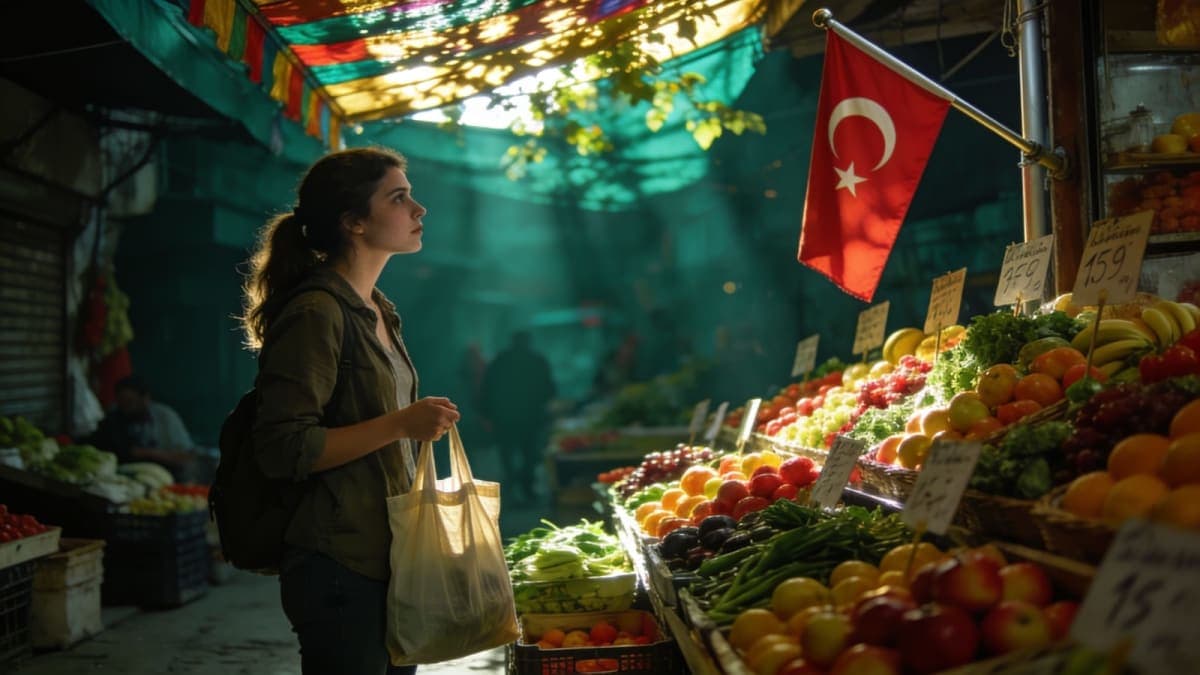
Food expenses in Istanbul largely depend on habits. If you buy groceries at chain supermarkets, local markets, and cook at home, your budget will be more predictable. Vegetables, fruits, grains, legumes, bread, and local dairy products are often more affordable than imported cheeses, deli meats, alcohol, coffee at chain establishments, and ready-made food delivery. Weekly local markets help reduce costs, especially when buying seasonal produce.
Cafes and restaurants are a separate category that is easy to underestimate. In business districts, tourist areas, and by the water, prices are usually higher than in ordinary local establishments in residential areas. Food delivery is convenient, but regular use significantly increases monthly expenses due to markups, service fees, and tips. For a realistic budget, it's useful to divide food into three categories: basic groceries for home, work lunches, and leisure in cafes – this makes it easier to understand where you can save without compromising quality of life.
Transport: Metro, Buses, Ferries, and Taxis
Public transport is one of Istanbul's advantages if you choose the right neighborhood. The metro, Metrobus, trams, buses, ferries, and urban trains connect most of the city, but transfers and distances can take a lot of time. For daily commutes, a transport card is needed, and current fares are best checked on official city resources, as prices change periodically. Students, certain categories of residents, and beneficiaries may have separate fares if they meet the requirements.
Taxis in Istanbul should be used as supplementary, not primary, transport, especially during rush hour and in tourist areas. Traffic jams can make a trip expensive and long, and finding a car in the rain or evening sometimes takes longer than a metro ride. When choosing an apartment, check walking distance to a station, availability of night routes, and alternatives in case of line repairs or traffic. A good transport location can justify higher rent if it reduces daily expenses and saves 1-2 hours a day.
Healthcare, Insurance, and Unforeseen Expenses
Foreigners in Istanbul need to understand in advance how they will receive medical care. A valid health insurance policy, appropriate for age and application type, is usually required for a residence permit, and coverage terms depend on the policy. Private clinics in Istanbul are well-developed, but consultations, tests, and diagnostics can be significantly more expensive without suitable insurance. The state system and social insurance are not automatically available to all foreigners, so status needs to be checked separately.
It's advisable to keep a reserve in your budget for unforeseen expenses: an urgent doctor's visit, medication, dentistry, phone repair, replacement of household appliances, or an unplanned trip. A minimum reserve should cover at least one month of basic expenses, and more for a family. If you are choosing between a private policy, social insurance, and paying for services directly, review our overview of Healthcare and Insurance for Foreigners in Turkey. This will help you avoid saving on a policy where the risk of expenses outweighs the potential benefit.
Leisure and Entertainment: Where It's Easy to Exceed Your Budget
Istanbul offers almost everything: museums, concerts, theaters, bars, sports clubs, promenades, islands, shopping centers, historic districts, and gastronomic routes. Many walks are free or inexpensive, but regular restaurants, cocktail bars, concerts, late-night taxis, and shopping quickly increase expenses. Tourist areas are convenient for the first few weeks, but for permanent living, it's often more cost-effective to discover local spots near home. A good strategy is to set a separate monthly limit for leisure in advance and not mix it with money for rent and groceries.
Saving on leisure in Istanbul is possible without losing quality of life. Ferries, walks along the Bosphorus, local coffee shops, municipal cultural centers, exhibitions, and city parks offer many options for weekends. Students should check for discounts, and families for free municipal events and playgrounds in large parks. If you work remotely and plan to live in Turkey for more than a few months, also check out the article on the Budget and Status of a Digital Nomad.
ESG Consulting Commentary
Based on ESG Consulting's experience, the main mistake foreigners make when moving to Istanbul is only considering rent and forgetting about initial expenses. Deposit, commission, utility connections, insurance, document translations, and initial household purchases can significantly increase the first month's budget. The second common mistake is choosing a neighborhood from a map without checking actual travel time and transport connections. In Istanbul, distance in kilometers is often less important than access to the metro, ferry, or Metrobus.
We recommend preparing a financial plan before submitting documents and signing a rental agreement. This is especially important if the housing is linked to address registration, residence permit processing, a child's school, or a long-term work project. ESG Consulting helps foreigners assess the migration and everyday risks of relocation, choose the correct strategy for residence permits, work, real estate, and family matters. Our task is not to promise a “cheap life” but to help clients see the full picture of expenses and make a safe decision.
Estimating Monthly Budget: Fixed, Variable, and One-Time Expenses
It's advisable to divide your monthly budget in Istanbul into fixed, variable, and one-time expenses. Fixed expenses include rent, utilities, transportation, communication, basic groceries, and insurance. Variable expenses cover cafe visits, food delivery, gym memberships, taxis, entertainment, domestic travel, and shopping. One-time expenses are particularly important in the first few months: rental deposit, agent commission, purchase of furniture and appliances, as well as document processing, translation, and notarization.
A common mistake for expats is to only consider rent and food, forgetting about initial relocation costs. When signing a rental agreement, a deposit and the first month's rent are usually required, with terms depending on the landlord and the property. It's also wise to check in advance if the address is suitable for residency purposes and potential status registration if you plan to stay in Turkey beyond the visa-free period. You can read more about choosing a neighborhood and daily logistics in our article on living in Istanbul for expats.
Expenses for Groceries, Cafes, and Food Delivery
Food expenses depend on whether you cook at home or eat out more often. The most budget-friendly option is to shop at supermarket chains, local markets, and neighborhood stores, comparing prices for seasonal vegetables, fruits, grains, dairy products, and meat. Imported goods, familiar European brands, delicacies, and ready-made meals usually increase the final bill. Families with children should separately account for school snacks, baby food, and water delivery.
Prices at cafes and for food delivery in Istanbul vary greatly: a tourist-zone establishment and a local eatery in a residential area have different budgets. If you plan to regularly work from cafes, meet clients, or frequently use delivery, it's better to allocate this as a separate item rather than considering it "miscellaneous." An effective way to control expenses is to divide food costs into a basic home budget and a separate limit for cafes. This makes it easier to track where spending is truly increasing.
Healthcare, Insurance, and Communication Costs
Medical expenses depend on the expat's status, age, health condition, and chosen insurance. For daily life, it's important to understand the difference between public and private clinics, emergency care, and routine appointments. Private healthcare in Turkey is often convenient for appointment speed and service, but the cost of consultations, tests, and examinations can be substantial without adequate coverage. Therefore, insurance should be chosen based on real risks, not just the minimum price.
Communication and internet are another essential expense. An expat usually needs mobile communication, home internet, and sometimes additional costs for device registration, phone registration, or international services. If you are moving with family or working online, check the quality of home internet before signing a long-term rental agreement. We covered the healthcare system, insurance, and emergency contacts in detail in the guide on healthcare in Turkey for foreigners.
Planning for Leisure, Sports, and Unforeseen Expenses
Istanbul easily tempts you to spend more than planned: restaurants, exhibitions, concerts, island trips, Bosphorus cruises, shopping malls, and seasonal sales are available almost year-round. Therefore, leisure should be included in the budget as a separate category, not left to residual principles. Even with a modest lifestyle, expenses will arise for gifts, seasonal clothing, minor repairs, medicines, notary services, or urgent trips.
A practical approach is to have a reserve for at least several months of fixed expenses, especially during the first year in Turkey. This is crucial for those seeking employment, processing documents, starting a business, or moving with children. Digital professionals and freelancers should also consider currency fluctuations, transfer fees, and potential payment delays. If you are considering long-term residency as a remote professional, it's useful to review the material on the digital nomad visa, certificate, and residence permit.
Frequently Asked Questions
- How much money does one person need to live in Istanbul?
One person needs a budget that covers rent, groceries, transport, communication, insurance, and a reserve. The exact amount depends on the neighborhood and lifestyle. The biggest difference comes from housing: a room, a studio, and an apartment in the center result in completely different monthly expenses. - Where is it cheaper for a foreigner to live: on the European or Asian side?
It can be cheaper on either the Asian or European side – it all depends on the specific neighborhood and transport accessibility. It's important to compare not just the side of the city, but the rent along with travel time, access to metro, schools, clinics, and work. - Do utility bills need to be considered separately from rent?
Yes, utility bills in Istanbul are usually calculated separately from rent. Electricity, water, gas, internet, and building maintenance can vary significantly depending on the season, heating type, and residential complex rules. - Is it expensive to use public transport every day?
Public transport is usually more cost-effective than taxis and private cars, especially for regular commutes. But with several transfers a day, expenses increase, so it's worth checking the route and current fares before renting housing. - What expenses do foreigners most often forget when moving?
They most often forget the deposit, agency commission, utility connections, health insurance, document translations, and purchasing items for the apartment. These expenses are particularly noticeable in the first few weeks after moving. - Is it possible to live comfortably in Istanbul and save money?
Yes, it is possible to live comfortably and save money if you choose the right neighborhood, cook at home, use public transport, and plan your leisure activities in advance. Saving becomes more difficult if you live in a tourist center, frequently take taxis, and regularly eat out at restaurants.
Official Sources
Guide steps on this topic
Turkey Guide Guides
View all- First 30 Days
- Phone and Internet
- Transport
- Schools and Kids
- Cost of LivingThis article
- City Guides
- Leaving Turkey